The $900M case for vulnerability
He feels worthless most days. And it's why people trust him.
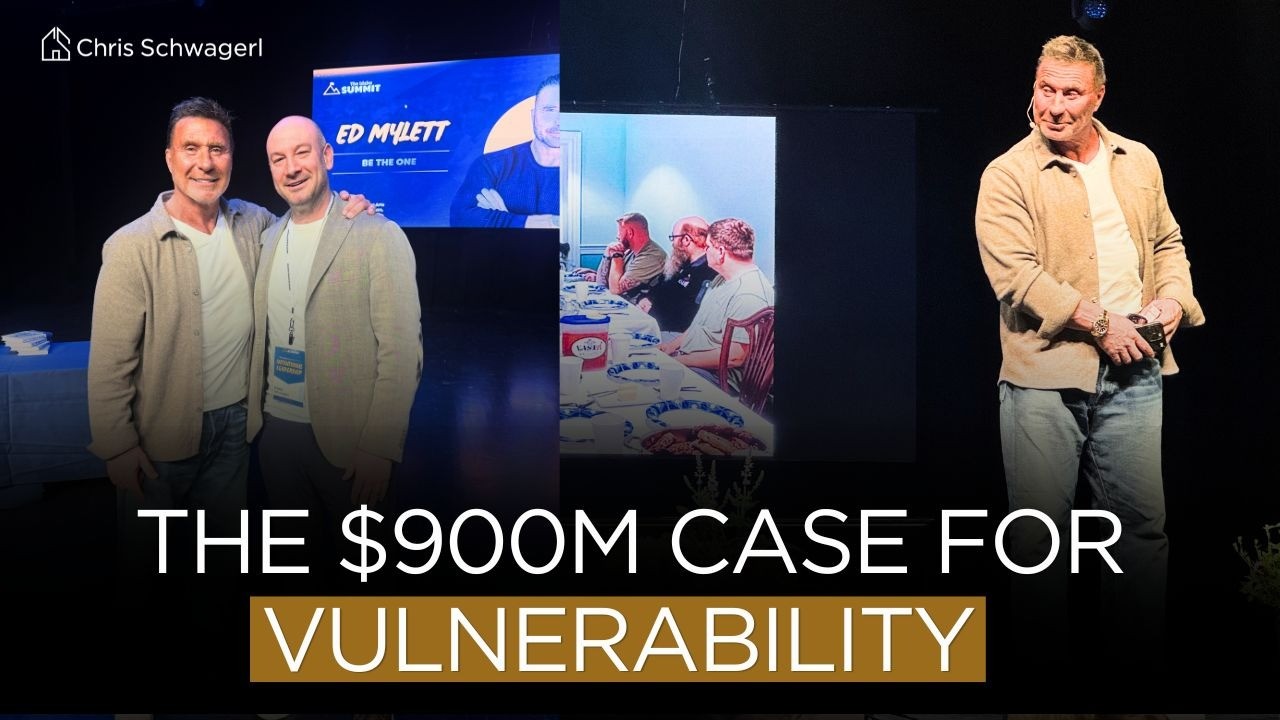
I was in Twin Falls, Idaho last week.
A friend invited me to a personal development summit. 300 people in an auditorium.
Ed Mylett was the headliner.
This is a guy who's worth $900M and speaks to 50,000 people in arenas. And he walked into that room and spent nearly the entire hour being completely, uncomfortably human.

He talked about feeling worthless most days. About being scammed, betrayed, and having no self-esteem. About growing up with an alcoholic father and grandfather.
I choked back tears the whole talk.
Afterwards, he waited a full hour to personally greet every single person in the room. Hugs. Eye contact. Genuine gratitude for each one.
Here's what I'm still processing a week later: the most powerful person didn't show up trying to be superhuman. He showed up with extreme vulnerability. And it wrecked everyone.
Which got me thinking about you. And the armor you might be wearing in your life.
🧠 Why "Looking the Part" Backfires With Sophisticated Investors
Here's the psychology most syndicators don't know:
Every time you "perform" confidence instead of being real, your investor's brain picks up on the gap. Not consciously. But they feel it.
Research shows that leaders who voluntarily reveal their weaknesses are seen as more authentic. People can tell that person isn't managing an image. And that authenticity drives a genuine desire to work with you.
Translation: your investors aren't looking for perfection. They're looking for someone they can trust. And trust doesn't come from looking perfect. It comes from being real.
For syndicators, this is everything. Because investors don't wire money to deals. They wire money to people. And the people they wire money to are the ones who made them feel something.
Here's what it looks like in real time:
Rehearsed answers instead of real ones. You've scripted so thoroughly that nothing you say sounds like you anymore. Investors feel like they're talking to a brochure.
Omitting the struggles from your track record. You skip the deal that lost money. But that story (and what you learned) is exactly what builds credibility with sophisticated investors.
Pretending you know what's going to happen. The market is uncertain. Everyone knows it. When you claim otherwise, you don't sound confident. You sound disconnected.
This isn't a sales problem. It's a psychology problem.
🎯 What Changes When You Drop the Armor
Here's how we empowered a syndicator client to be more vulnerable:
Step 1: He identified the dreadful story he'd been hiding from investors. It was his first CRE deal. It went sideways early in his career, and it nearly cost him everything.
Step 2: We built that story into his investor conversations. It's the moment that shaped his exhaustive due diligence process he does on every deal since.
Step 3: He started showing up to calls as himself instead of his highlight reel.
Within 6 months, he raised $2.1M from two investors he'd written off as too sophisticated. Both told him the same thing - they invested with him because he was different than other operators.
Not because he was more impressive.
Because he was more transparent.
💥 What This Means for You
Vulnerability isn't weakness. It's the ingredient your prospects are craving.
So here's your next step:
Think of one real moment - a deal that humbled you, a painfully expensive lesson, a season that was harder than you let on. Now ask yourself: what would happen if you shared that in your next 10 investor conversations?
That's your move.
The most successful capital raisers I serve don't have sparkling track records. They've run into bad markets and bad deals, too. But they're courageous enough to share their most daunting lessons.
To your success,
Chris
P.S. Facing Fears Month starts inside MoneyMental next week. If you're ready to stop hiding behind perfection and start raising a ton of capital (yes, in THIS market) come join us.